Textiles are made, used, and left behind — but they do not have to be.
Every textile has a story. It does not begin or end in one place. Its value remains.
Renew materials before their value is lost.
We create change together as individuals, communities, and systems.
Sort because every recovery pathway begins with separation and understanding.
Because circular systems begin with the choices we make early on.
A structured pathway that keeps textiles in motion. Click any step to explore what happens at that stage.
Gathered from homes, tailoring units, businesses, and community drop points — the entry into the system.
Each item evaluated by condition, material, and next-life potential. This is where value is identified, not discarded.
Matched to the optimal pathway — thrift, repair, upcycle, or recycle. Sorting decisions become material flows.
Textiles re-enter the economy renewed — as thrifted pieces, repaired garments, upcycled products, or recovered fibres.
Textiles gathered from homes, businesses, tailoring units, and community collection points — the first separation from the waste stream.
Each item evaluated by condition, material, and next-life potential. Sorting is the intelligence of the system — value is identified, not discarded.
Sorted textiles matched to the optimal recovery pathway — thrift, repair, upcycle, or recycle. Where sorting decisions become material flows.
Textiles re-enter the economy renewed — as thrifted pieces, repaired garments, upcycled products, or recovered fibres. The loop closes here.
Small-scale work with real textile flows.
RenWeSort is testing how textiles move through local systems, sorting, recovery, and reuse
pathways.
These are not finished models. They are working conditions. We learn while building.
What is discarded, what still holds value, and what needs another pathway.
Simple systems tested in real environments to understand what holds up and what doesn't.
Nothing here is final. We build, observe, adjust.
Evidence before scale. Iteration before expansion.
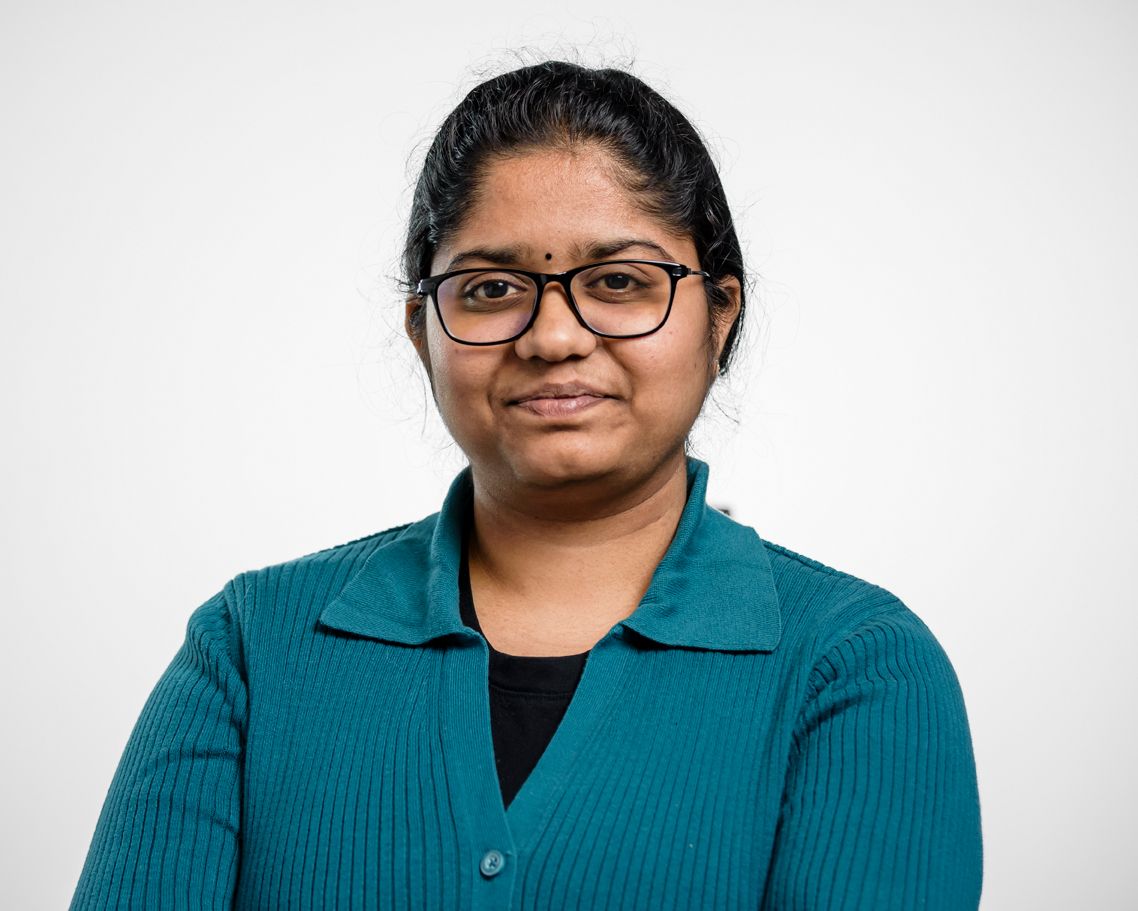
I've always been interested in the way everyday choices shape the world we live in. That interest led me to environmental engineering, where I built a strong technical foundation through my Master's degree and professional work in contaminated sites, environmental assessments, regulatory compliance, and project coordination. Through my NGO work, I also gained experience in community building and people management, which deepened my appreciation for people-centred work. As my perspective grew, so did my interest in waste systems, especially the textile space and the role of circularity in building better outcomes.
RenWeSort grew from that path and now focuses on helping people save textiles through awareness, community events, repair, reuse, thrifting, and upcycling. The longer-term goal is to keep textiles in use for as long as possible, and to support the full journey of textile circularity when they are no longer suitable for continued use.